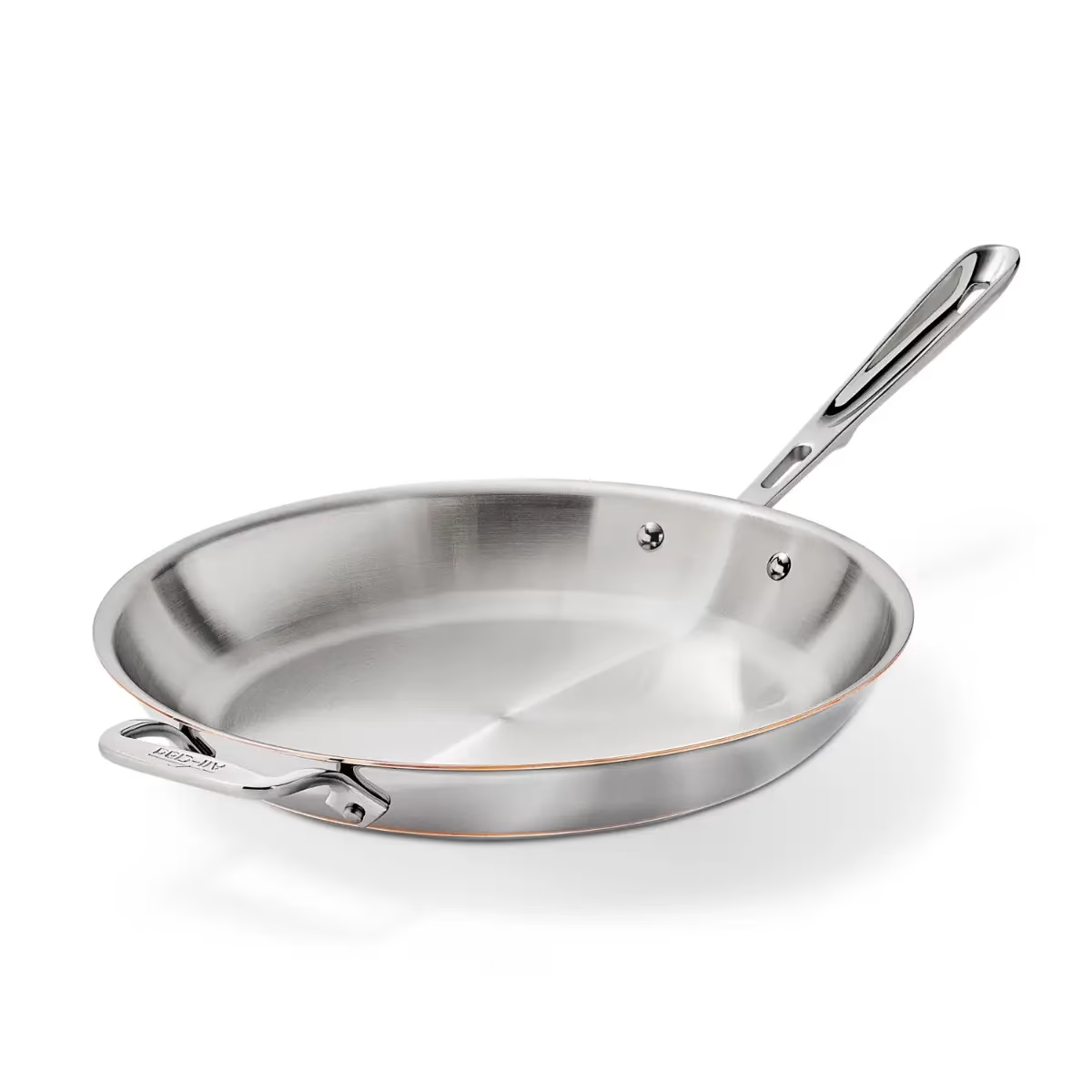
Copper Core
A premium 5-ply line featuring a copper center layer for maximum responsiveness. Identifiable by the copper ring cutout on the exterior. Heavier and significantly more expensive than D3.
The standard by which other clad stainless steel cookware is measured. However, a strict distinction must be made between their "Recommended" US-assembled steel lines and their "Disposable" Chinese-made non-stick lines.
All-Clad is an American cookware manufacturer credited with inventing the "roll-bonding" process (cladding) that fuses conductive metals (aluminum/copper) with durable stainless steel. Acquired by the French conglomerate Groupe SEB in 2004, the brand now operates a bifurcated supply chain: flagship steel cookware is stamped in Pennsylvania, while non-stick pans, electronics, and tools are mass-produced in China.
Founded by metallurgist John Ulam in Canonsburg, PA.
Acquired by French conglomerate Groupe SEB (owners of Tefal, Krups, Rowenta).
Launch of mass-market HA1 Hard Anodized line (Made in China).
Class Action Settlement ($4M) regarding "Dishwasher Safe" claims and sharp rims.
Fusiontec line (Ceramic Core) largely phased out of production.
Returns: Direct: 45 Days, unused in original packaging. Logistics: The customer is responsible for return shipping costs and potential restocking fees for non-defective items.
The brand is listed for its Bonded Stainless Steel collections (D3/D5). These pans set the reference point for thermal consistency and durability in consumer cookware. A D3 frying pan purchased today is functionally identical to one made 30 years ago and, barring user error, is virtually indestructible.
A premium 5-ply line featuring a copper center layer for maximum responsiveness. Identifiable by the copper ring cutout on the exterior. Heavier and significantly more expensive than D3.
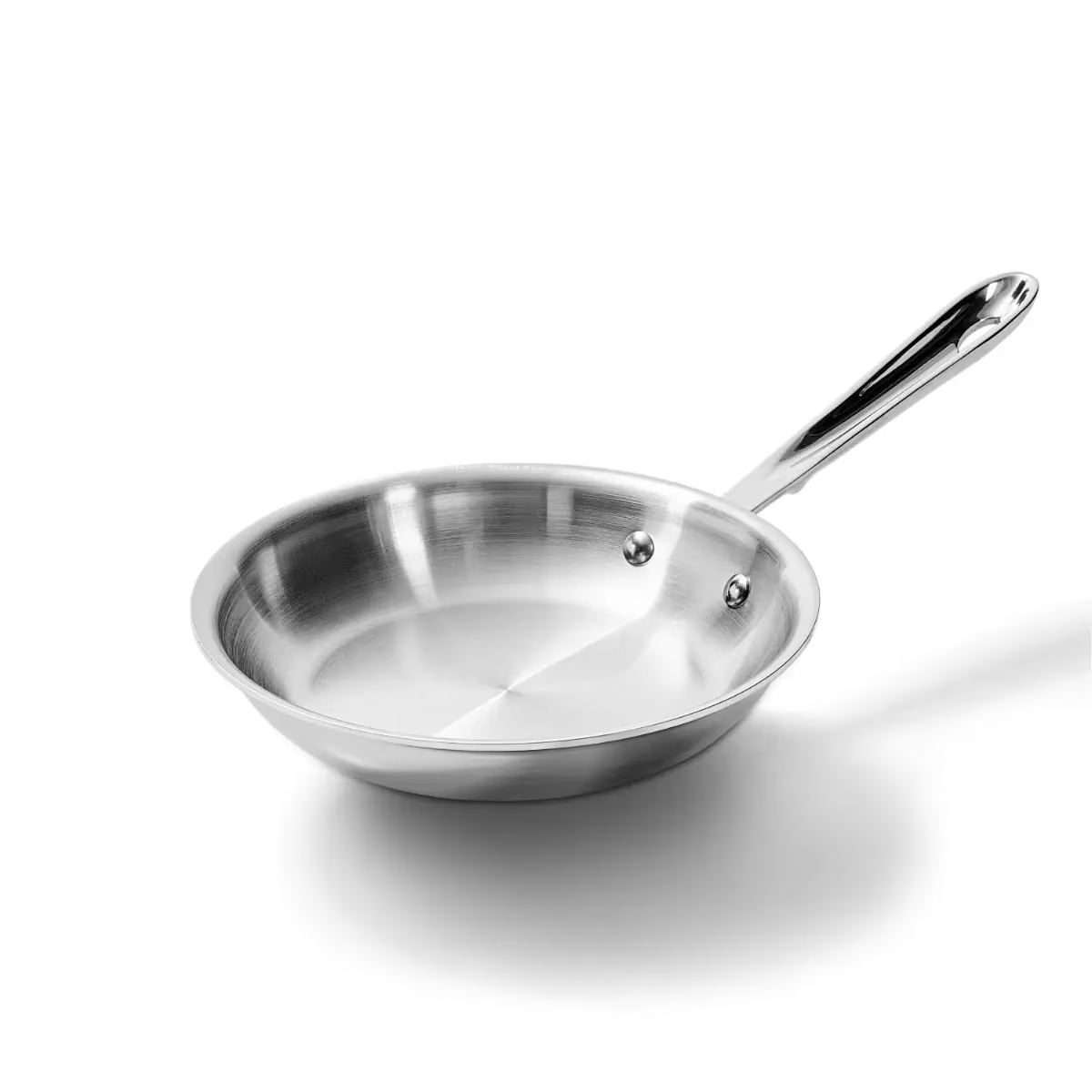
The most common reference point for home clad cookware. 3-ply construction (Steel-Aluminum-Steel). It offers strong value relative to performance and is lighter than the D5 or Copper Core variants.
The "Razor Rim" Lawsuit (Dishwasher Risk): In 2022, All-Clad settled a $4M class-action lawsuit regarding its "Dishwasher Safe" marketing. The exposed aluminum core at the rim of the pans erodes in the dishwasher, leaving the stainless steel layers protruding like a razor blade.
Operational Reality:* Despite the box saying "Dishwasher Safe," you must hand-wash All-Clad to maintain "Buy It For Life" status.
"Made in USA" vs. "Assembled": Most stainless pans are labeled "Bonded, Engineered, and Assembled in the USA." This is because while the metal vessel is stamped in Pennsylvania, the handles and lids are manufactured in China and attached in the US.
Non-Stick Longevity: The HA1 and Essentials lines are made entirely in China and use PTFE (Teflon-style) coatings. They are not BIFL. They are high-quality disposable pans with a lifespan of 2-5 years.
Manufacturing Transparency: While steel vessels are stamped in PA, the handles/lids, non-stick lines, and electronics are manufactured in China. Fusiontec was manufactured in Germany.